
For investors across mining, energy and infrastructure, access to capital is only part of the equation. Project preparation, execution and risk management will determine whether opportunities translate into commercial returns.
AETI Business Forum 2026 has brought a persistent challenge in African investment into focus: attracting capital is only the beginning when projects still have to prove they are commercially viable, financially sound and capable of being delivered.
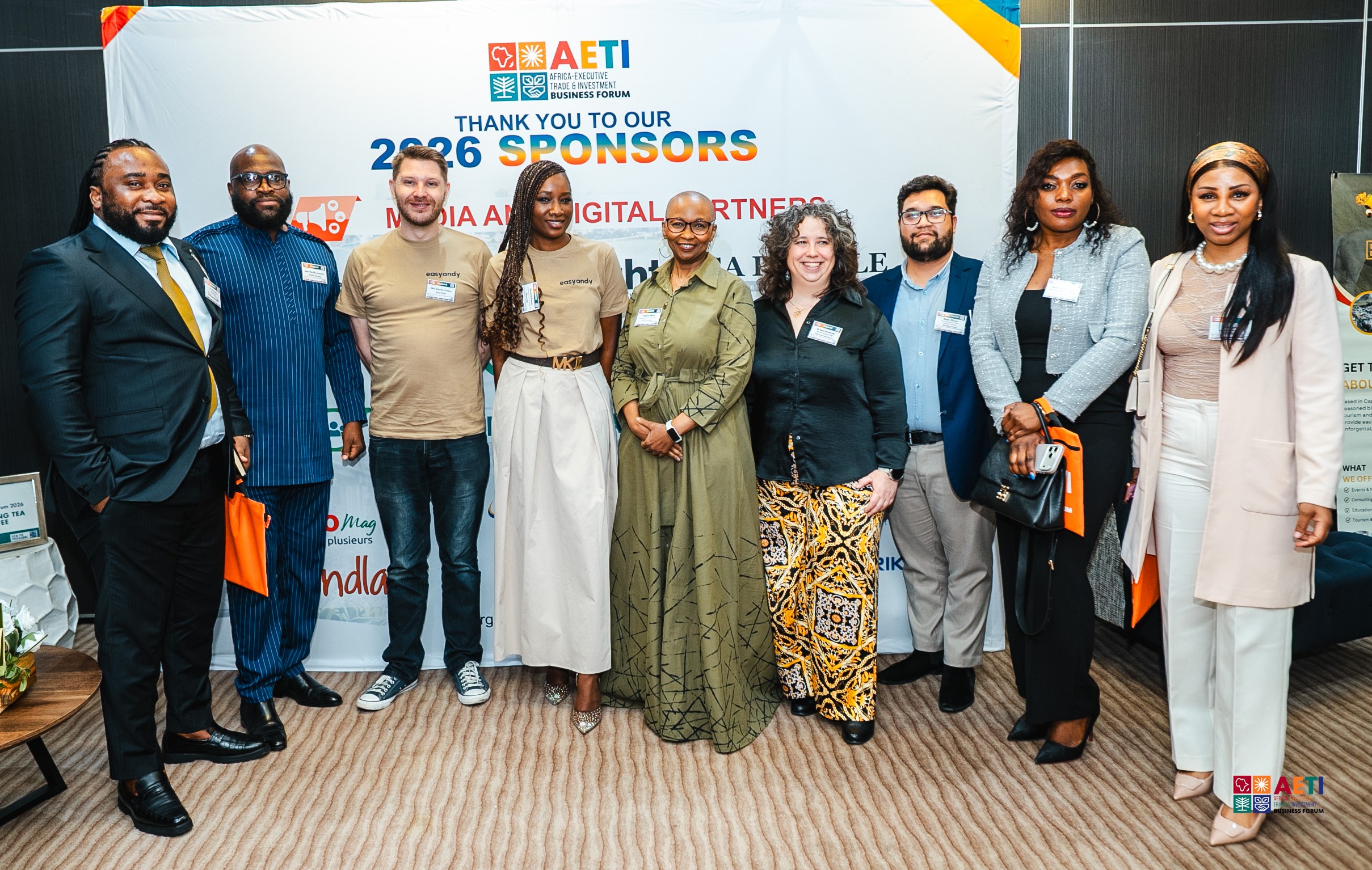
Held on 15 October at The Fountains Hotel in Cape Town, the forum brought together investors, entrepreneurs, project owners and senior decision-makers to examine how private-sector partnerships can support growth across mining, energy, infrastructure, ICT, agribusiness and finance.
The issue extends beyond the event itself. These sectors offer substantial opportunities, but they also expose investors to project delays, financing constraints, regulatory uncertainty and execution risks.
A market may have strong demand for infrastructure or industrial development without every proposed project being ready for investment.
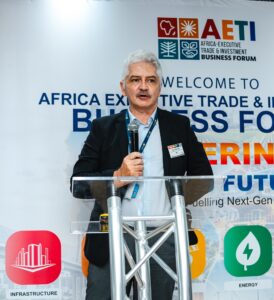
Ganief Bardien
Ganief Bardien, regional manager for the Western Cape at the Industrial Development Corporation (IDC), highlighted the regional dimension in his opening address:
“Africa needs more cross-border investment projects that help build a better future.”
Cross-border investment can connect markets, expand infrastructure networks and strengthen regional supply chains. It can also expose investors to different regulatory regimes, currencies, political risks and institutional arrangements. These factors need to be addressed during project design rather than after financing has been secured.
That places project preparation at the centre of investment decisions. Investors need to assess capital requirements, expected revenue, operating costs, implementation schedules and the allocation of risk between partners. Where these elements remain unclear, even projects addressing genuine economic needs may struggle to attract funding.
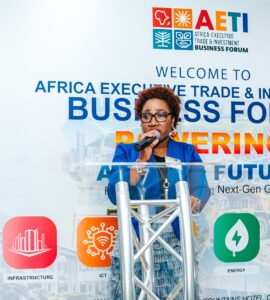 Audrey Bading
, managing director and founder of Gettha Agency, described AETI’s role in connecting businesses and capital:
“AETI is designed to bring founders, investors and SMEs together, focused on how we trade and work together to grow our industries.”
Such connections can open access to financiers, suppliers and strategic partners, but networking does not replace due diligence. Businesses still need credible financial models, transparent governance and evidence that their management teams can deliver what they propose.
Execution risk was another concern raised during the forum. Kebonemorena Nthite, founder and principal consultant at KN Consulting, warned:
“Project management is often overlooked. Without it, projects run late or over budget, because no one has done the research or looked at the finest detail.”
For capital-intensive industries, the consequences can be substantial. Delays in a mining development or energy project can postpone revenue, increase financing costs and weaken projected returns.
Budget overruns may force developers to seek additional capital under less favourable conditions. A project’s economics can deteriorate before it becomes operational.
These risks are interconnected across the sectors represented at AETI. Mining projects depend on reliable energy and transport. Agribusiness requires effective logistics and routes to market.
Digital infrastructure can improve connectivity, but commercial success still depends on demand, implementation and sustainable operations. Financing alone cannot resolve weaknesses in these underlying systems.
Environmental considerations add another layer to investment appraisal. Dr Sara Andreotti, chief operating officer and founding director of SharkSafe Barriers, highlighted the need to protect ocean ecosystems:
“We need to do it well, keeping the ecosystem safe so our oceans can prosper, and we can all still enjoy the water.”
Her remarks point to a wider investment question: can projects generate economic value without creating environmental liabilities that undermine their long-term viability? For investors, sustainability risks affect not only reputation but also regulatory compliance, operating continuity and future costs.
The AETI review records discussions and introductions between participants but does not quantify investment commitments or confirm transactions resulting from the forum. Its impact should therefore be judged by subsequent developments rather than attendance or networking alone.
The indicators to watch are whether projects progress to due diligence, secure financing, establish credible partnerships and reach implementation milestones. AETI is scheduled to return in November 2027, with dates yet to be announced.
The strongest evidence of its value would be tangible progress on projects that might otherwise have remained proposals.
For African markets, the central question is not simply whether investors can be attracted. It is whether projects can meet the commercial, operational and governance standards required to keep their capital engaged.
Read More:South Africa’s Water Bet Tests Infrastructure Finance and Resilience – Jaina News
South Africa Inflation Holds Steady, Utilities Drive Pressure – Jaina News
Manufacturing growth highlights risks shaping South Africa’s economy – Jaina News