
Copper production across Central Africa’s Copperbelt is climbing fast, but investors are asking whether the region can turn rising output into lasting economic value.
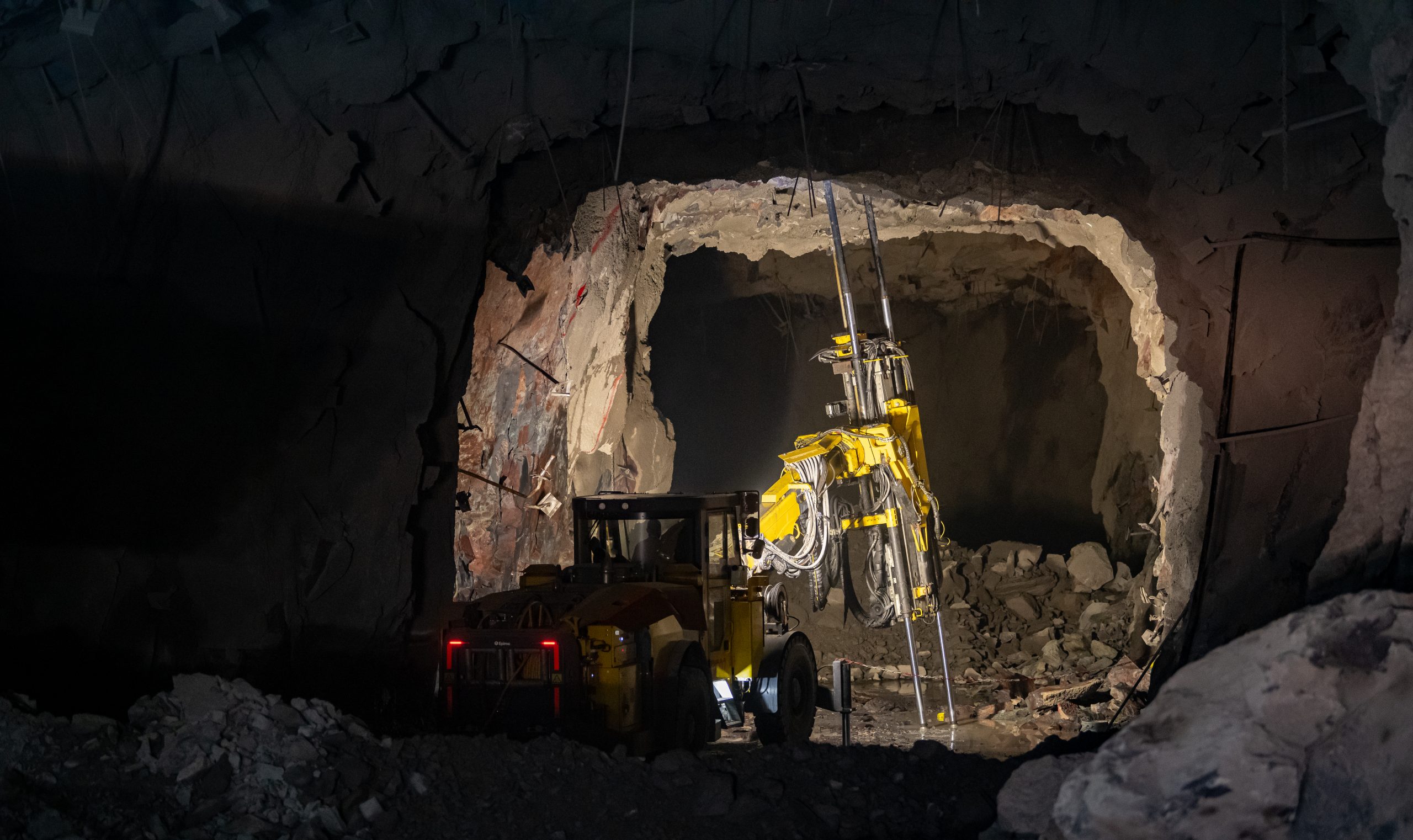
In the Democratic Republic of the Congo (DRC), Ivanhoe Mines’ Kamoa‑Kakula operation produced 76,401 tonnes of saleable copper in Q3 2026, up 19% quarter‑on‑quarter, underscoring the region’s growing role in global supply chains.
The International Copper Study Group expects refined copper usage to rise 1.5% in 2026 and 2.5% in 2027, driven by electrification, renewable energy, and electric vehicles trends that could reshape Africa’s industrial future.
For the DRC and Zambia, the opportunity is clear: produce more copper but capture more of its value. Sustaining growth will require investment in exploration, mine development, and infrastructure. Ivanhoe’s partnership with the Qatar Investment Authority (QIA) signals confidence in long‑term potential.
CEO Marna Cloete said the alliance aims to “unlock new untapped potential in our hunt for the next generation of great discoveries.”
Markets have responded positively to rising output, with copper prices holding firm near multi‑month highs. Yet investors remain cautious about logistics and power constraints that could limit expansion. The planned $300 million Kalumbila–Kolwezi Interconnector Project, linking Zambia and the DRC via a 200‑km power line, is seen as a critical step toward reliable energy supply.
At Kamoa‑Kakula, a renewable energy deal with Green World Energie will lift baseload power to 60 MW, doubling within 18 months a move analysts say could stabilize production costs.
Economist Peter Mokoena offered a measured view: “Central Africa’s copper boom is impressive, but the real test is whether the region can build the infrastructure and industrial capacity to keep more of that value at home. Investors want to see not just output growth, but sustainable margins and regional integration.”
Risks remain. Export restrictions, regulatory uncertainty, and infrastructure delays could slow progress. Yet opportunities abound in refining, manufacturing, and battery production. Zambia’s talks with China’s Wuxi Jiangnan Cable and the DRC’s partnership between Gécamines and Mercuria show early steps toward building downstream industries.
The outlook hinges on partnerships that move beyond extraction. As Mokoena noted, “Copper can power Africa’s growth story but only if governments and investors align policy, infrastructure, and capital to turn production into prosperity.”
For investors, the Copperbelt’s surge is more than a mining story; it’s a test of whether Africa can convert its mineral wealth into enduring industrial strength.
Read Also: