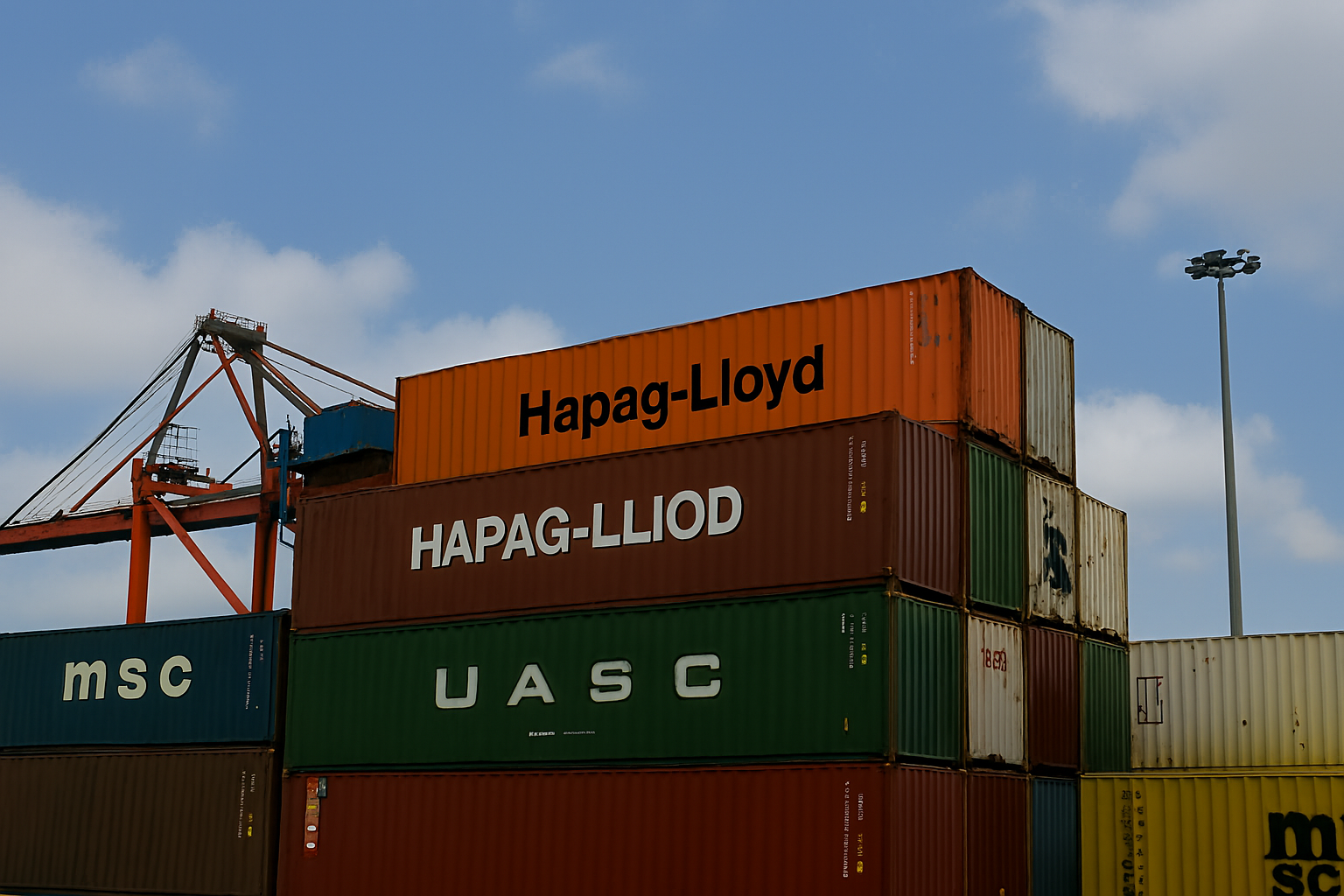

South Africa’s freight transport sector delivered a mixed performance in August 2026, with the volume of goods transported falling 1.7% year‑on‑year, even as income rose 6.2% over the same period. The divergence between payload and revenue highlights both the resilience of pricing strategies and the structural pressures facing logistics operators.
Over the three months to August, freight income climbed 8.6% compared with 2025, driven by strong growth in “other” freight (24.1%, contributing 5.4 percentage points), manufactured food and beverages (12.9%, contributing 1.3 points), commercial products (33.0%, contributing 0.9 points), agriculture and forestry (9.3%, contributing 0.8 points), and containers (25.8%, contributing 0.8 points). Yet seasonally adjusted payload fell 2.9%, with road freight down 3.6% and rail freight up a modest 1.3%.
Markets interpreted the figures cautiously. Logistics equities saw muted gains, reflecting optimism in revenue growth but tempered by concerns over declining volumes. Currency traders noted that transport income growth could support service‑sector resilience, but the contraction in payload points to weaker industrial activity.
For commodity investors, the decline in road freight volumes raised questions about supply chain efficiency and cost competitiveness.
Economist Christian Bertie offered a fair assessment: “The rise in transport income is encouraging, but the fall in payload shows the sector is moving fewer goods at higher cost. Investors should recognize that this reflects both pricing power and structural inefficiencies. Rail’s modest growth is positive, but road freight’s decline underscores vulnerability to fuel prices and infrastructure bottlenecks.”
Risks remain evident. Rising fuel costs, congestion, and reliance on road transport could erode margins further. Yet opportunities exist in rail expansion and containerized freight, which showed strong growth. Analysts argue that if rail capacity continues to improve, South Africa could reduce logistics costs and enhance competitiveness for exporters.
Passenger transport provided a brighter note. Journeys rose 9.8% year‑on‑year in August, with income up 3.0%. Seasonally adjusted passenger journeys increased 4.2% over the quarter, led by rail (9.4%, contributing 2.9 points) and road (1.9%, contributing 1.3 points). This suggests improving mobility and consumer confidence, with potential spillovers into retail and services.
The outlook hinges on whether freight operators can balance revenue growth with volume recovery. As Bertie concluded: “Transport is the backbone of economic activity. Sustained income growth is positive, but without volume stability, the sector risks pricing itself out of competitiveness. Investors must watch closely whether rail reforms and infrastructure upgrades can deliver lasting efficiency.”
Read Also:South Africa’s Motor Trade Sales Edge Higher in August, But Momentum Falters – Jaina News
AETI 2026: Africa’s Investment Opportunities Becoming Bankable Projects – Jaina News
South Africa’s Water Bet Tests Infrastructure Finance and Resilience – Jaina News